Breast Reconstruction

Breast reconstruction surgery is a surgical procedure to recreate the breasts after a mastectomy procedure has removed one or both of them.

in Phoenix & Chandler, AZ

An artistic and bright photograph featuring a woman wearing a white, sleeveless top. She is captured from a side profile, looking forward with a subtle, confident smile. The background is a blend of soft whites and neutral tones, highlighting the smooth contours of her silhouette and the clean, professional quality of the lighting. - Breast reconstruction in Arizona

Introduction

Rejuvenating Your Look with Elite Plastic Surgery

A breast cancer diagnosis or preventative mastectomy can change far more than the body; it can affect confidence, identity, and the sense of feeling whole. We approach breast reconstruction as a deeply personal and restorative process, not simply a surgical procedure. Our goal is to help patients move forward after treatment with renewed confidence, comfort, and a sense of normalcy that feels authentic to them.

We recognize that every patient’s experience with cancer, genetics, or risk reduction is unique. Whether reconstruction is performed immediately following mastectomy or months, or even years, later, our team will guide you through each step with compassion, clarity, and respect. Breast reconstruction is not about erasing what you’ve been through; it’s about honoring your journey and helping you reclaim your body on your own terms. We are proud to help people in Phoenix and Chandler, as well as across the country, achieve this life-changing procedure.

What is Breast Reconstruction?

At Elite Plastic Surgery, we understand the difficulties that can arise when you are notified of a breast cancer diagnosis or a genetic predisposition to developing breast cancer. There are multiple new stressors, both physical and emotional.

Meeting with multiple physicians and other healthcare professionals while trying to understand an abundance of new information can be overwhelming.

We strive to provide a service in this time of uncertainty to ease your burden and improve your experience. As your reconstructive team, we’ll take the task of restoring your self-identity and pride seriously, bridging the gap from cancer treatment to true recovery and a return to normalcy. This is not only your battle but also a journey you can share with fulfillment. To learn more, contact Elite Plastic Surgery at our Phoenix or Chandler locations to schedule your consultation with a member of our team today.

Instruments of Breast Reconstruction

Instruments for breast reconstruction can vary depending on the type of surgery. Our instruments for breast reconstruction allow us to provide a customized feel to the reconstructed breast. In brief, “free flap” or autologous reconstruction can provide a natural feel by utilizing your own tissue. Another approach to breast reconstruction is inserting implants filled with saline or silicone gel.

Modern breast implants come in various consistencies, which allows us to provide a spectrum of options for individualized breast reconstruction. Fat grafting can be used with breast implants to achieve a more natural feel of the tissue overlying the implants. At Elite Plastic Surgery, we will discuss all the options so we can customize our approach and optimize the breast mound, position, shape, and feel to your ideal breast reconstruction results.

Breast Reconstruction Techniques

In this section, we will discuss the reconstructive tools we use and briefly describe how they are applied. We’ll also discuss some advantages and disadvantages in this section. A full discussion of the risks and advantages of your approach will be conducted with you during the consultation.

Tissue Expanders

These are usually considered “placeholders” in the mastectomy pocket. Fluid or air can be added or removed from these implants. This allows for the gradual expansion of the mastectomy flaps (the remaining skin and tissue overlying the removed breast) when an additional area is needed to fit the proper implant or flap.

Expanders are also useful for determining the appropriate size for each person, as they are adjustable based on the amount of fluid they hold. The disadvantages of tissue expanders are that, although safe, they are foreign bodies and temporary. Expanders need to be replaced with permanent implants or flaps. Also, radiated tissue is difficult to expand.

Biologic Mesh

Biological mesh can be placed within the mastectomy pocket to support implants like a sling or wrap. These biological mesh products are incorporated into the body.

Pedicled Flaps

Most pedicled flaps classically utilized in breast reconstruction are the latissimus dorsi (from the back) or rectus abdominus (from the abdomen). A flap is a tissue preserved in its blood supply. In pedicled flaps, the blood supply is not disrupted; it is reestablished. A common disadvantage of commonly used pedicled flaps is donor-site morbidity when the rectus abdominis is used, leading to partial flap loss. The disadvantages of the latissimus dorsi flap are mild weakness in arm flexion (or downward force). This flap generally does not have ample tissue to recreate an adequate breast mound.

Perforator Free Flaps

Advances in our understanding of anatomy, combined with surgical expertise, have enabled us to improve autologous breast reconstruction by using perforator-based free flaps. Free flaps are tissue sections taken from the body that havea preserved blood supply. However, contrary to pedicled flaps, the blood supply is disconnected at its source and reconnected to vessels in the chest using microsurgical techniques. This enables free transport of tissue from one part of the body to a distant location.

We outline the perforator flap options below; however, we will briefly discuss the deep inferior epigastric artery perforator (DIEP) flap in this context. The DIEP is the most popular option for perforator-based free flaps because of its similarity to breast size and shape.

This is similar to the tissue used in the rectus abdominus pedicled flap. However, studies have shown that the dominant blood supply to this tissue comes from an inferior source (iliac vessels). In contrast, the pedicled flap is based on superior vessels. This is also similar to the tissue removed in an abdominoplasty (tummy tuck).

By freely transporting tissue on its main blood supply, autologous reconstruction results have decreased donor site morbidity. The goal is to preserve the underlying muscle through which the perforator vessels travel. Disadvantages of free flap breast reconstruction include the donor site risks, length of procedure, and availability of the microsurgical team and its capabilities.

Fat Grafting

Fat can be attained and simply injected into different parts of the body. Fat is harvested using liposuction and injected with a fine syringe, enabling regular transport of natural tissue without the long operative times required for free flap reconstruction. However, there are limitations. The amount of fat that can reliably be transported is less than that of free flaps, in general. Sometimes, patients may require multiple stages of fat grafting to achieve satisfactory results. Fat grafting allows finer control over small areas that may require correction or adjustment.

Procedures for Symmetry

All tools discussed can be used on the contralateral (opposite) side to maintain symmetry when only one-sided surgery (unilateral) is recommended. This includes, but is not limited to, placing implants, performing lifts or reductions, and using fat grafting techniques.

Am I a Good Candidate for Breast Reconstruction?

Breast reconstruction may be an option for patients who have undergone mastectomy due to breast cancer or who are considering prophylactic mastectomy because of a genetic predisposition, such as BRCA mutations. Candidates may pursue reconstruction immediately following mastectomy or as a delayed procedure once cancer treatment has been completed.

Ideal candidates are generally in stable overall health and have realistic expectations regarding the reconstructive process, which may involve multiple stages. Factors such as prior radiation therapy, overall medical history, body type, and personal goals all influence candidacy and reconstructive options.

Benefits of Breast Reconstruction

Breast reconstruction offers both physical and emotional benefits for patients following mastectomy or breast-conserving surgery. One of the most meaningful advantages is the restoration of breast shape and symmetry, which can help clothing fit more naturally and reduce the need for external prosthetics. For many patients, reconstruction helps reestablish a sense of body balance and familiarity after a life-altering diagnosis.

Beyond aesthetics, breast reconstruction can play an important role in emotional healing. Many patients describe feeling more confident, empowered, and comfortable in their bodies after reconstruction, particularly as they move forward from cancer treatment. By offering multiple reconstructive options, breast reconstruction allows patients to choose an approach that aligns with their health needs, lifestyle, and personal vision for recovery.

A minimalist shot of a small green plant with delicate leaves growing out of a textured white ceramic pot against a plain, light-colored background.

What Happens During the Procedure?

Breast reconstruction is not a single procedure, but rather a surgical plan that may occur in stages. The specific steps depend on the chosen reconstruction method, whether implants or autologous tissue are used, and whether reconstruction is performed immediately or delayed.

To learn about the techniques used, visit our Breast Reconstruction Techniques page.

What to Expect During Your Consultation for Breast Reconstruction

Your breast reconstruction consultation will be thorough, supportive, and informative, held in a private, comfortable setting. During this visit, your surgeon will take time to understand your medical history, cancer treatment plan, past procedures, and personal goals for reconstruction. This includes discussing whether reconstruction will be immediate or delayed, unilateral or bilateral, and whether symmetry procedures on the opposite breast may be beneficial.

A physical examination will assess skin quality, chest wall anatomy, donor tissue availability, and any effects of radiation or prior surgery. Your surgeon will carefully explain the available reconstructive options, including implants, tissue expanders, autologous flaps, and fat grafting, outlining the benefits and limitations of each. The goal is not to rush decisions, but to ensure you feel informed, empowered, and supported in choosing the path that feels right for you.

A woman with blonde hair stands near a window wearing a black lace-trimmed chemise, looking thoughtfully to the side while showcasing a balanced and natural breast shape. - Breast Reconstruction Technique in Arizona

Recovery and Results

Your Guide to Post-Breast Reconstruction Care

Recovery after breast reconstruction varies depending on the techniques used and whether additional procedures are performed. Implant-based reconstruction generally involves a shorter initial recovery, while autologous flap procedures may require a longer hospital stay and more extensive healing due to donor site surgery.


Swelling, soreness, and fatigue are common during early recovery, and activity restrictions will be tailored to your procedure. Over time, reconstructed breasts continue to soften and settle into a more natural appearance. Final results often take several months (and sometimes longer) to fully develop, particularly when reconstruction is performed in stages.

For more information, you can read about the recovery process here.

How Much Does Breast Reconstruction Cost in Phoenix and Chandler, AZ?

The cost of Breast Reconstruction in Chandler and Phoenix varies based on the procedure’s complexity, the techniques used, and the number of surgical stages required. Factors such as implant-based versus autologous reconstruction, anesthesia, facility fees, and post-operative care all influence overall cost.

Breast reconstruction following mastectomy is often covered by insurance under federal law; however, coverage details vary by plan. During your consultation, our team will help you understand your benefits, discuss anticipated costs, and provide guidance on insurance coordination or financing options as needed.

Why Choose Elite Plastic Surgery for Breast Reconstruction?

We focus on the individual and utilize our knowledge and experience with all available reconstructive procedures to customize our treatment plan for each patient. We are not only experienced with performing the most complex breast reconstruction procedures, but we have also published numerous peer-reviewed journal articles to advance breast reconstruction. Our published peer-reviewed articles have covered multiple aspects of breast surgery, including:

  • The most modern options for breast reconstruction
  • Improving recovery following mastectomy
  • Describing narcotic medication prescription patterns
  • Assessing the risk for complications following breast reconstruction

The more informed patients are, the more satisfied they are with their reconstructive results. This is due to shared decision-making between patients and physicians, which enables optimal outcomes.

Breast Reconstruction FAQ’S

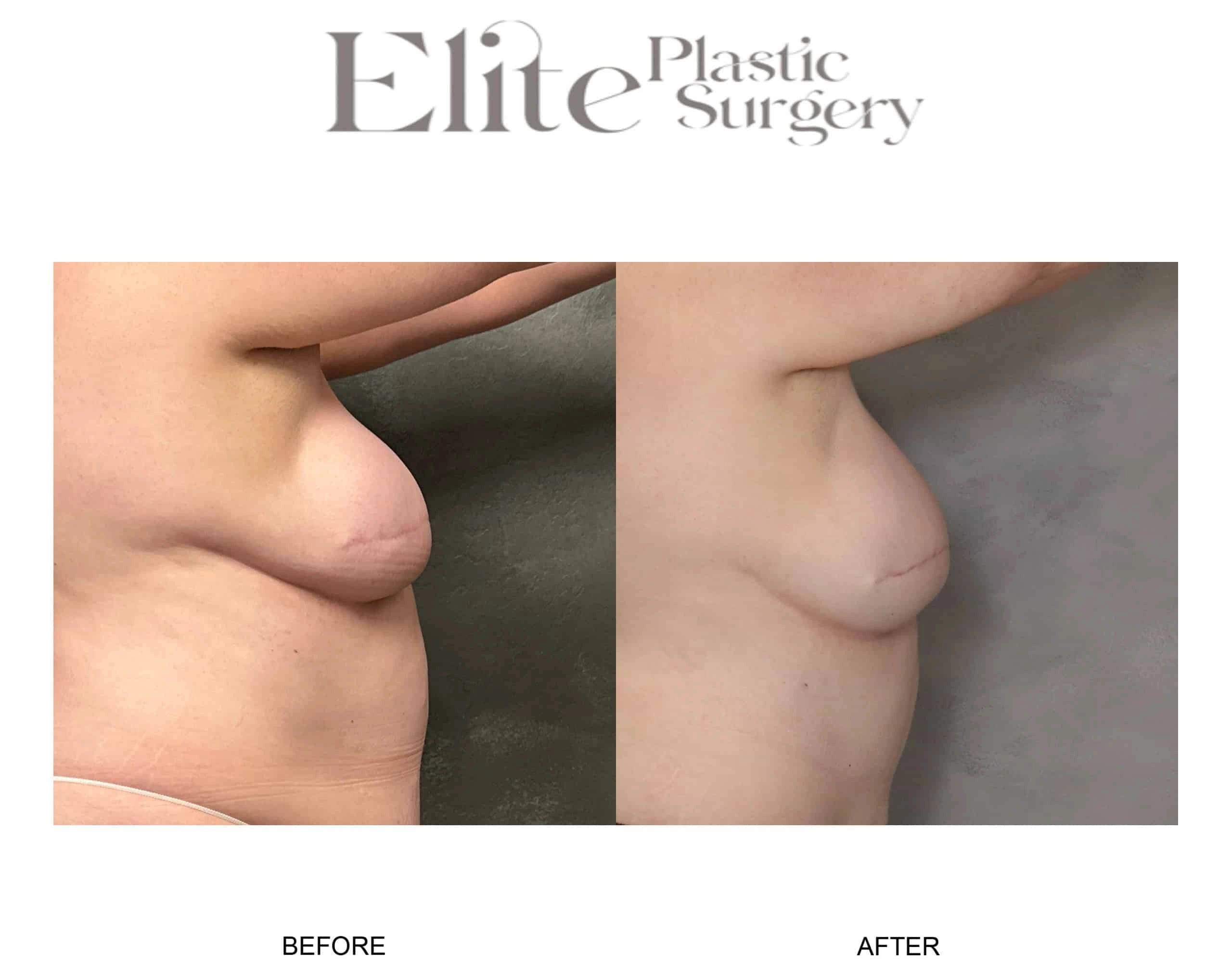
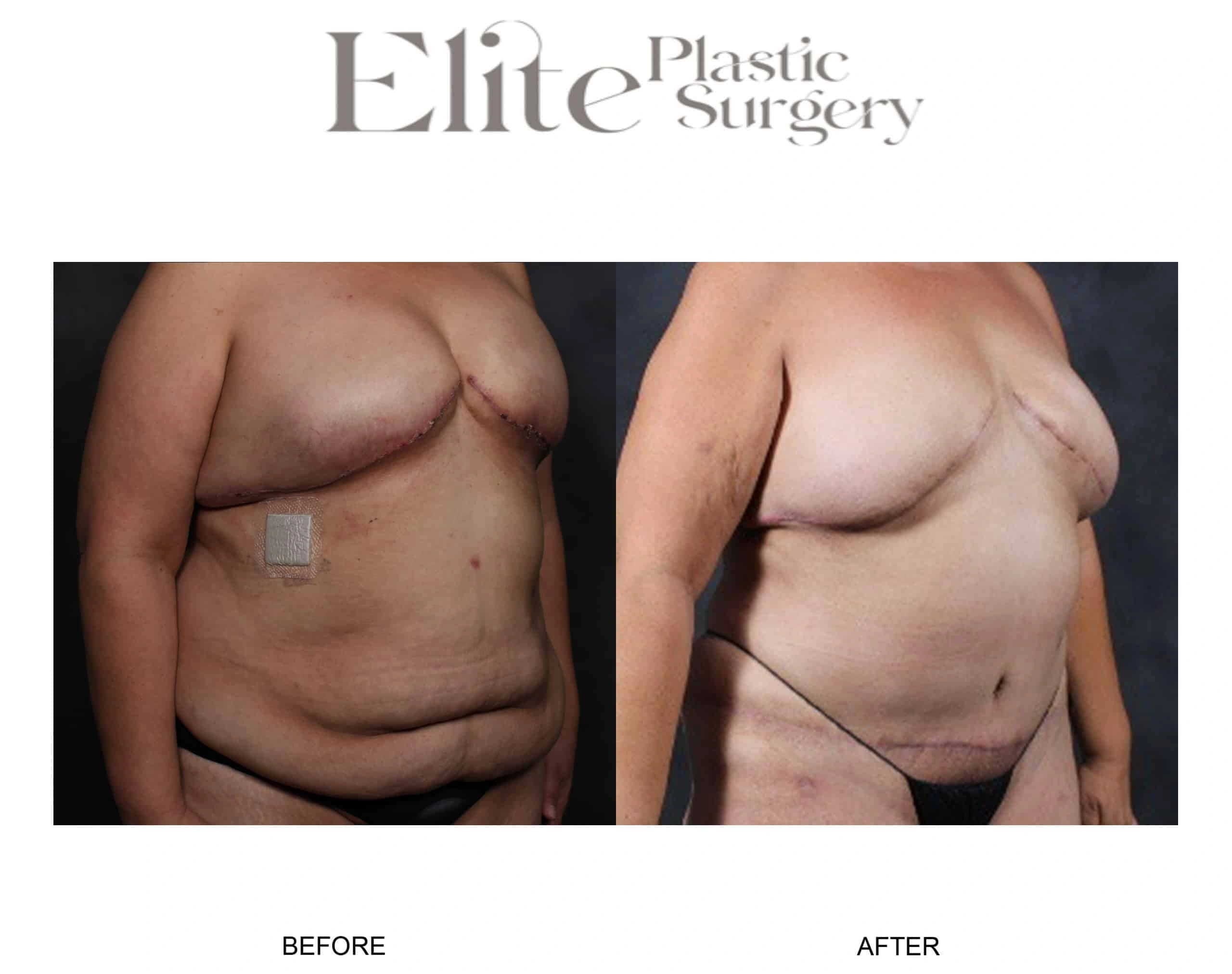
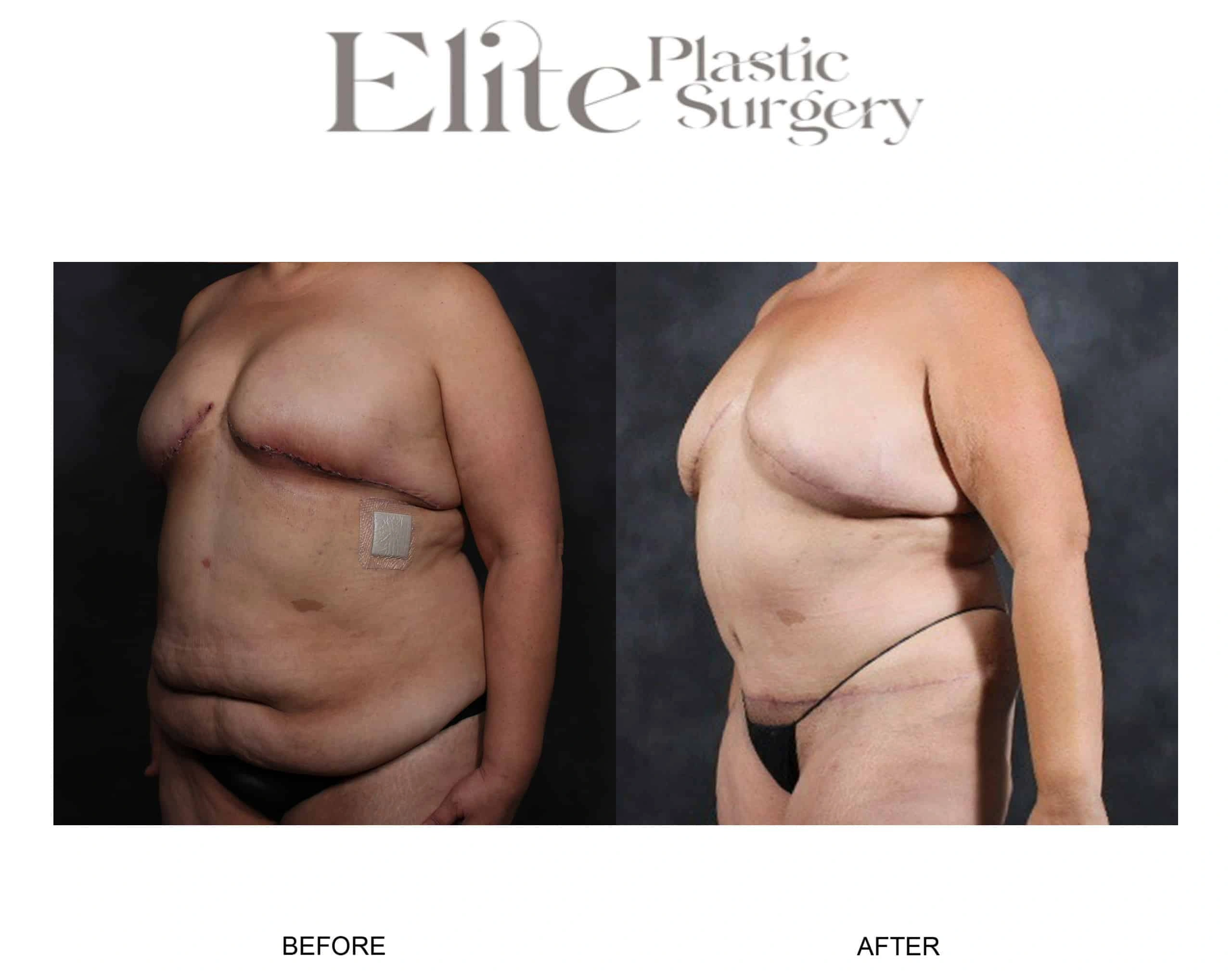
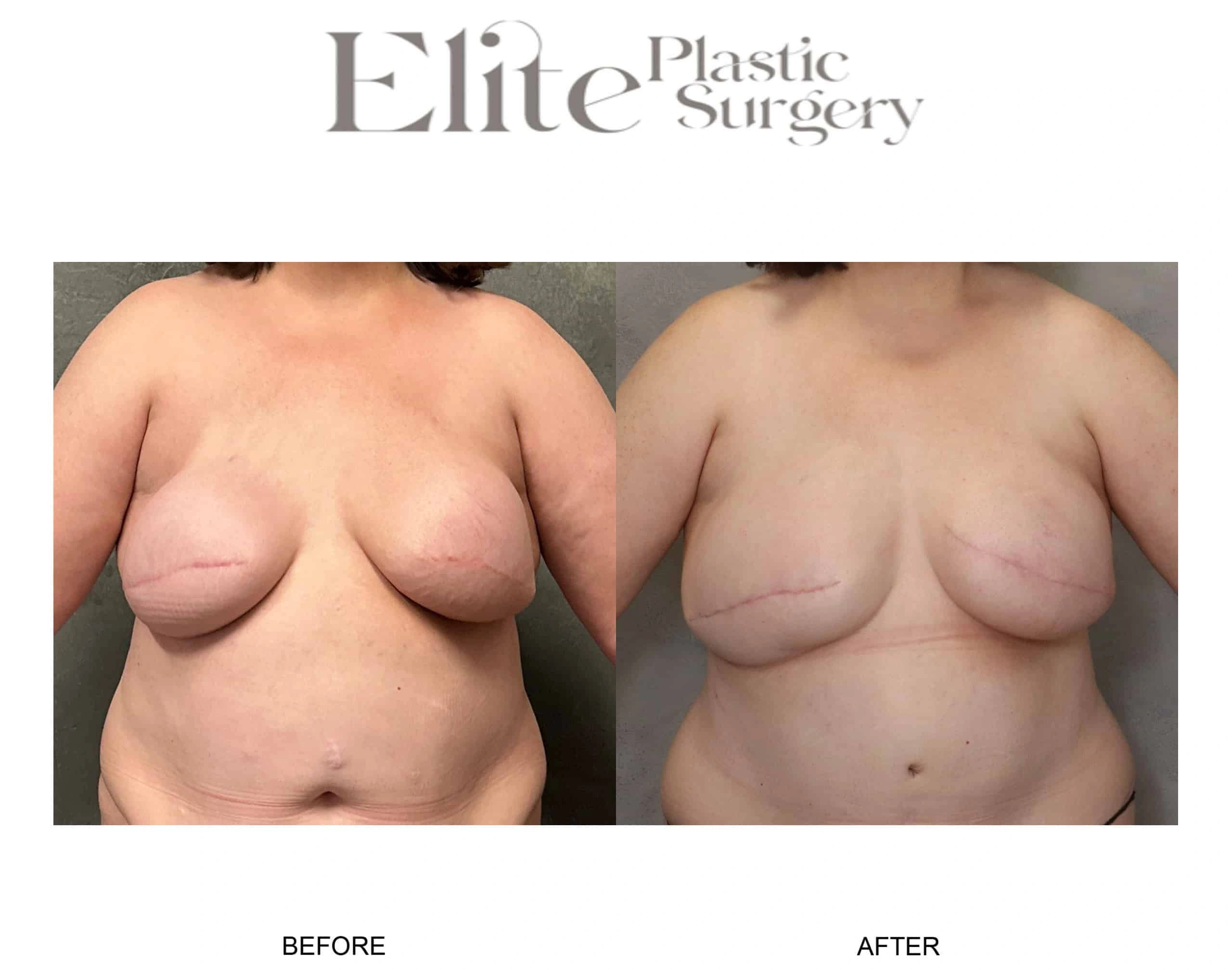
Discover Elite Results

Schedule Your Breast Reconstruction Consultation Today

Breast reconstruction often forms the final step in your journey to recovery after a breast cancer diagnosis. We understand that the process can be highly sensitive. Our team has earned a reputation for excellence and is known for its commitment to the most advanced breast reconstruction techniques available. To learn more about how Elite Plastic Surgery can help you along your breast reconstruction journey, reach out to our Chandler or Phoenix offices and schedule your consultation with a team member today.

Chandler | Call us at (480) 535-9867

Phoenix | Call us at (480) 500-6332